SoHo Manhattan NYC: The Heart of Downtown Style and Creativity
Introduction
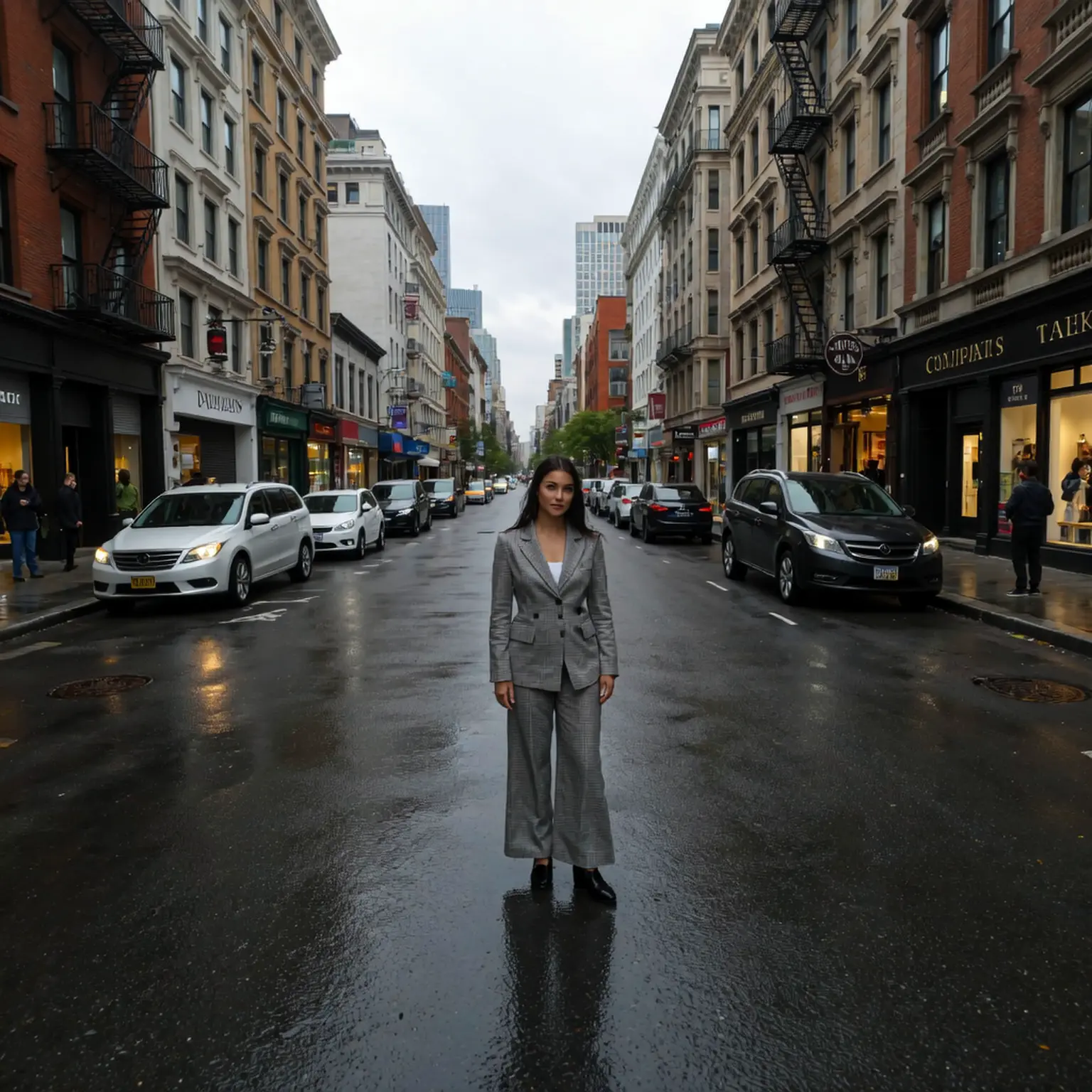
Few neighborhoods in the world capture the spirit of urban elegance like SoHo, Manhattan, NYC. Known for its cobblestone streets, historic cast-iron buildings, and a creative pulse that never fades, SoHo stands as one of New York City’s most iconic districts.
Blending art, fashion, architecture, and culture, SoHo offers a rare combination of sophistication and soul. Whether you’re wandering through boutique-lined streets, admiring contemporary art in a converted warehouse, or simply people-watching at a café, every block tells a story of reinvention and style.
This article explores SoHo’s evolution, character, and the statistics that shape its identity—painting a complete picture of why this neighborhood continues to define downtown Manhattan.
The Origins of SoHo: From Industrial Hub to Artistic Haven
SoHo—short for “South of Houston Street”—wasn’t always the stylish hub it is today. In the mid-19th century, this area of Lower Manhattan was dominated by factories and warehouses. Its distinctive cast-iron buildings, which remain some of the most architecturally significant structures in the city, were originally designed for manufacturing efficiency.
By the 1950s and 1960s, however, SoHo’s industrial boom had faded. Many factories closed, leaving large, empty lofts behind. These vast, affordable spaces soon attracted a different kind of resident—artists.
Painters, sculptors, and musicians moved in, drawn by cheap rent and open floor plans perfect for studios. As creativity flourished, the neighborhood developed a new identity. The art world began to take notice, and by the 1970s, SoHo had become synonymous with New York’s avant-garde culture.
This transformation laid the groundwork for the neighborhood’s modern charm—a place where the industrial past and artistic future coexist beautifully.
Architectural Beauty: The Cast-Iron District
One of SoHo’s most striking features is its architecture. The neighborhood boasts more than 250 cast-iron buildings, many of which date back to the late 1800s. These façades, with their tall arched windows and intricate details, reflect both craftsmanship and endurance.
Designated as the SoHo Cast-Iron Historic District in 1973, this area preserves some of the most photogenic streets in New York. Greene, Mercer, and Broome Streets are especially famous for their uniform façades and timeless aesthetic.
Inside these buildings, old freight elevators and wooden floors remain intact, now repurposed into art galleries, designer lofts, and flagship stores. The architecture tells SoHo’s story better than words ever could—industrial bones reborn into luxury and artistry.
Art and Creativity: SoHo’s Soul
Art runs through SoHo’s veins. In the 1960s and 1970s, artists like Donald Judd, Chuck Close, and Jean-Michel Basquiat made SoHo their home. The lofts became living galleries, filled with experiments that challenged convention.
Though the art scene has since expanded to other neighborhoods, SoHo remains deeply tied to creative expression. Many galleries still operate here, showcasing both emerging and established artists.
Street art also thrives in SoHo. Murals and pop-up installations appear regularly, turning ordinary walls into canvases. Creativity here isn’t confined—it spills onto the streets, windows, and storefronts.
For visitors, this mix of refined galleries and spontaneous art experiences gives SoHo a texture unlike anywhere else in Manhattan.
Shopping in SoHo: Where Fashion Meets Individuality
If there’s one thing that defines modern SoHo Manhattan NYC, it’s shopping. The neighborhood is a paradise for both luxury lovers and independent designers.
Flagship stores for world-renowned brands like Chanel, Prada, and Louis Vuitton sit beside chic boutiques offering one-of-a-kind pieces. Broadway, SoHo’s main artery, is lined with global fashion houses, while side streets like Spring, Prince, and Greene offer a more curated, intimate shopping experience.
What makes SoHo’s retail scene unique is its balance between luxury and creativity. Many fashion labels first test their concepts here because SoHo shoppers value design and originality.
Window displays double as art installations, and interiors are often designed with gallery-like precision. For locals and tourists alike, shopping in SoHo isn’t just about buying—it’s about inspiration.
Culinary Delights: From Cafés to Michelin Stars
SoHo’s food scene is as dynamic as its streetscape. You can start your day with a perfectly crafted latte at a minimalist coffee bar and end it with a world-class dinner at a Michelin-starred restaurant.
Breakfast and brunch are neighborhood rituals. Cafés such as those tucked along Crosby or Lafayette Streets serve artisanal pastries, avocado toasts, and rich espresso amid effortlessly stylish interiors.
Lunch brings choices ranging from trendy bistros to global eateries offering Mediterranean, Japanese, or Latin fusion cuisine. By evening, SoHo transforms into a culinary stage—dimly lit restaurants hum with conversation, and rooftop bars glow against the downtown skyline.
The dining statistics reflect this diversity: SoHo boasts one of the highest restaurant densities in Lower Manhattan, with a mix of long-standing favorites and rotating newcomers that keep the neighborhood fresh.
Lifestyle and Living: Where Luxury Meets Creativity
Living in SoHo Manhattan NYC is both aspirational and inspiring. Loft apartments, once home to struggling artists, are now among the most desirable real estate in New York City.
The average price per square foot rivals Uptown luxury buildings, reflecting SoHo’s transformation into one of Manhattan’s premier residential districts. Yet, despite its exclusivity, the area retains a lived-in charm. Locals know their baristas, greet familiar faces on morning walks, and gather in small community parks that break up the urban grid.
The interiors of SoHo homes often reflect the neighborhood’s blend of past and present—exposed brick walls, soaring ceilings, and floor-to-ceiling windows meet minimalist furniture and curated art collections.
This harmony between industrial history and modern comfort defines SoHo living.

Cultural Hotspots and Attractions
SoHo offers much more than shopping and dining. Its cultural footprint is vast and varied.
Art galleries like Team Gallery and Eden Gallery showcase cutting-edge exhibitions, while design studios open their doors for seasonal events. The neighborhood also hosts photography spaces, pop-up fashion installations, and exclusive preview shows that draw international attention.
Film and media play their part too—SoHo’s streets often appear in movies, fashion shoots, and commercials due to their cinematic backdrop. Even casual visitors recognize the neighborhood’s charm from countless pop culture moments.
Small museums and performance spaces add another layer of cultural depth, ensuring SoHo’s artistic legacy remains alive and accessible.
Nightlife and Entertainment
When the sun sets, SoHo transitions seamlessly into evening sophistication. Rather than noisy clubs, you’ll find intimate lounges, rooftop bars, and speakeasies hidden behind unmarked doors.
Many venues blend design, music, and mixology, creating environments where conversation and creativity thrive. Wine bars and cocktail lounges attract a refined crowd—artists, professionals, and travelers mingling over craft drinks in candlelit corners.
Live music also finds its place here. Jazz ensembles, acoustic sessions, and curated DJ sets create a soundtrack perfectly suited to SoHo’s mood: elegant, understated, and effortlessly cool.
SoHo by the Numbers
To understand SoHo’s unique position in New York City, it helps to look at its numbers:
-
Population: Roughly 13,000 residents
-
Median Household Income: Among the top 5% in Manhattan
-
Average Loft Size: 1,500 to 2,500 square feet
-
Cast-Iron Buildings: Over 250 structures protected by historic preservation
-
Retail Density: One of the highest per capita in the United States
These statistics underline SoHo’s dual nature—a small neighborhood with an outsized cultural and economic influence. It’s not just a district; it’s a symbol of urban reinvention and creative identity.
Community and Character
Despite its global reputation, SoHo retains a distinct community atmosphere. Long-time residents often mingle with newcomers in neighborhood markets, art fairs, and local galleries.
Seasonal street events like design pop-ups, outdoor film screenings, and holiday markets bring people together, reinforcing the area’s sense of shared creativity.
Residents take pride in preserving SoHo’s architectural and cultural heritage, participating in initiatives to maintain its character amid ongoing urban development. This balance between evolution and preservation is what keeps SoHo authentic.
Accessibility and Location
Located in Lower Manhattan, SoHo enjoys exceptional connectivity. Subway lines including the N, R, W, C, E, and 6 make it easy to reach from any part of New York City.
Its borders—Canal Street to the south, Houston Street to the north, Lafayette to the east, and Sixth Avenue to the west—place it near other vibrant neighborhoods such as Tribeca, Greenwich Village, and Chinatown.
Walking through SoHo feels like navigating the heartbeat of downtown Manhattan—compact, stylish, and full of character at every turn.
The Evolution of Luxury and Lifestyle
What makes SoHo remarkable is its ability to evolve without losing its essence. Once a haven for struggling artists, it’s now home to fashion icons and entrepreneurs, yet creativity remains the common thread.
Luxury here feels personal, not ostentatious. It’s found in the craftsmanship of a leather handbag from a local designer, the detail of an art installation in a repurposed loft, or the quiet elegance of a café tucked behind ivy-covered facades.
SoHo’s economy thrives on this refined individuality. Every boutique, restaurant, and gallery contributes to a collective narrative of artistry meeting commerce.
Future of SoHo: Preserving Identity Amid Change
As New York City continues to evolve, so does SoHo. New developments, zoning changes, and increased tourism bring both opportunities and challenges.
Community advocates emphasize the importance of preserving SoHo’s unique character—its cast-iron architecture, independent businesses, and cultural integrity. The neighborhood’s future will depend on balancing modernization with authenticity.
Urban planners and residents alike recognize that SoHo’s greatest asset is its identity. It’s not just a destination—it’s an experience. And that experience must remain true to its creative roots.
Conclusion
SoHo Manhattan NYC represents the perfect intersection of past and present, creativity and commerce, grit and glamour. Every cobblestone and every storefront tells a story of transformation—from an industrial district to an international symbol of art, fashion, and style.
Its statistics reflect success, but its essence lies in its atmosphere—the blend of energy, elegance, and authenticity that continues to inspire both locals and visitors.
Whether you’re sipping coffee in a sun-drenched café, browsing through a boutique filled with contemporary art, or simply walking under the shadow of cast-iron facades, SoHo captures the magic of New York in its purest form: timeless, creative, and endlessly alive.