Elon Musk Solar Energy Warning: Understanding His Message, Concerns, and Vision for the Future
Elon Musk has spent many years speaking about the promise of solar energy. As the leader of Tesla and SpaceX, he has placed renewable energy at the center of his mission for a sustainable future. While Musk is known for his bold optimism about solar technology, he has also issued several important warnings. These warnings do not suggest that solar energy is a mistake. Instead, they highlight the technical, political, economic, and ethical challenges that the world must address to make solar power a dominant global energy source.
The phrase Elon Musk solar energy warning has become a topic of discussion because people want to understand what concerns one of the most forward thinking innovators in the world actually has. Musk believes that solar power has the potential to provide most of the energy civilization needs. However, he also understands that growth without caution can create risks. His warnings are a call for smarter planning, more resilient systems, and thoughtful governance.
This article provides a deep, comprehensive explanation of Musk’s warnings, the context surrounding them, the potential risks he identifies, and how they shape the future of renewable energy.
Why Solar Energy Matters to Musk
Before exploring the warnings, it helps to understand why Musk believes solar power is essential.
Solar energy is consistent, predictable, and incredibly abundant. Every day, the sun provides more energy to the Earth than humanity uses in an entire year. Musk views this as the greatest natural opportunity in modern history. According to him, a civilization that learns how to capture and store this energy efficiently can drastically reduce pollution, strengthen energy independence, and support the needs of a growing population.
For Musk, the transition to solar energy is not a distant fantasy. It is a practical pathway toward sustainability. Tesla’s solar products and battery systems reflect his belief that solar power must become a core part of global infrastructure.
Yet Musk never treats solar energy as a simple solution. He acknowledges its limitations and understands its risks. This combination of enthusiasm and caution is what gives his warnings weight.
The Core Elon Musk Solar Energy Warning
Musk’s warnings about solar energy fall into several categories. Some relate to technology and engineering challenges. Others address political decisions, infrastructure vulnerabilities, and large scale proposals that could affect the entire planet.
His main warning is that the world is not using solar energy in the right way. Solar power alone cannot sustain the grid if society does not also develop storage systems, stable policies, and long term planning. If solar is deployed without thoughtful structure, it can lead to instability, wasted potential, or even dangerous experimentation.
Below are the key themes in Musk’s solar energy warnings.
Warning 1: The World Is Not Using Enough Solar Power
One of Musk’s most repeated concerns is that humanity is still underestimating solar potential. According to him, most people do not realize how much power sunlight truly provides. Entire regions could run on solar energy if the right systems were installed.
Musk warns that failing to build solar infrastructure will slow down global progress. He argues that society has the tools to adopt solar widely, yet hesitates due to tradition, misinformation, or lack of government support.
This warning is not about fear. It is about missed opportunity. Musk wants the world to recognize how powerful solar energy could become if countries invested in it properly.
Warning 2: Solar Energy Is Incomplete Without Storage
Musk insists that solar energy cannot function as a reliable solution unless it is paired with advanced storage systems. Since the sun is not always shining, solar power alone cannot meet demand during cloudy days or nighttime hours.
His warning is clear. Without large scale energy storage, a fully solar powered grid would face instability. Musk emphasizes that batteries must be developed at scale to solve this problem. This is why Tesla continues to expand products like the Powerwall and Megapack.
Storage is not an optional accessory. It is a requirement for a sustainable future. Musk warns that ignoring this fact can lead to overconfidence and poor planning.
Warning 3: Policy Instability Threatens Solar Growth
Another major Elon Musk solar energy warning is centered around politics. Musk has repeatedly expressed frustration when governments change renewable energy policies suddenly. When tax incentives or support programs are removed without warning, solar growth slows dramatically.
Musk warns that unpredictability makes it harder for businesses and households to adopt solar technology. Investors lose confidence. Companies pause expansion. Consumers become uncertain. According to Musk, long term policy stability is essential for solar success.
Without consistent government support, the solar industry may not grow fast enough to address climate challenges or energy demand.
Warning 4: Solar Geoengineering Could Be Dangerous
One of Musk’s most controversial warnings involves the idea of solar geoengineering. This concept refers to artificial manipulation of how much sunlight reaches Earth. Some scientists have proposed ways to reduce global warming by controlling the sun’s rays.
Musk has been connected to the theoretical idea of using satellites to adjust sunlight slightly. However, he also acknowledges the risks. Geoengineering could have unpredictable consequences, including altered rainfall patterns, temperature imbalances, and international disagreements about who controls the system.
His warning is that solar solutions must be approached with caution when they reach global scale. Not all technologies that involve the sun are safe. The world must evaluate the ethical, political, and environmental risks before attempting any form of sunlight manipulation.
Warning 5: Solar Storms Can Damage Technology
Musk has also warned about the dangers of natural solar activity. Solar storms are bursts of energy from the sun that can disrupt satellites, communication systems, and power grids.
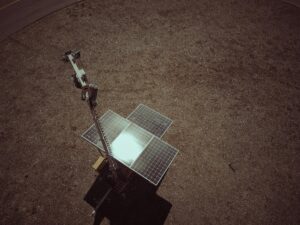
This warning is grounded in his experience with Starlink satellites, which rely on solar panels. During periods of intense solar activity, these satellites can suffer stress or outages.
Musk’s message is simple. Solar energy technology must be built with resilience. The sun is powerful and unpredictable. Modern infrastructure must be designed to withstand extreme conditions.
Why Musk’s Solar Warnings Matter
When a figure like Elon Musk issues a warning, the global community pays attention. Musk’s influence shapes industries, inspires innovation, and sparks conversations about the future of technology.
His solar warnings matter for several reasons:
They highlight real engineering challenges
Solar adoption is growing, but it still faces limitations. Musk’s warnings remind society that the transition requires careful planning.
They push policymakers to consider long term strategies
Governments often focus on short political cycles. Musk pushes them to think beyond elections and toward sustainable outcomes.
They spark innovation
Warnings about storage, grid limitations, and system vulnerabilities encourage companies to create better solutions.
They encourage public awareness
Solar energy is not simply a trend. It is a major part of the global energy future. Musk’s concerns help educate the public on what must be done.
How Musk’s Companies Reflect His Warnings
Musk’s warnings are not just theoretical. They are embedded in his business strategies.
Tesla Energy
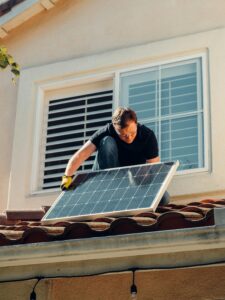
Tesla develops solar roofs, solar panels, and battery storage systems. These products are designed to solve the problems Musk warns about. They combine solar generation with energy storage to create self sustaining systems.
SpaceX and Starlink
By operating thousands of satellites, Musk has firsthand experience with solar vulnerabilities. His warnings about solar storms are based on real world data, not speculation.
Long Term Vision
Across all his companies, Musk demonstrates a belief that solar power must be upgraded, protected, and supported. His approach is consistent with the risks he highlights.
Criticisms and Alternative Perspectives
Not everyone agrees with Musk’s warnings.
Some analysts believe solar can scale without the level of caution Musk promotes. Others argue that a mix of renewable energy sources may be more reliable than heavy reliance on solar alone. There are also critiques of large scale solar farms and concerns about land use.
Geoengineering proposals have sparked strong reactions from scientists who believe even tiny adjustments to sunlight could be dangerous.
These debates show that the future of solar energy is complex. Musk’s warnings are influential, but they exist within a wider global discussion.
What the Future Might Hold for Solar Energy
Musk’s warnings do not suggest fear or pessimism. They are expressions of responsibility. He sees solar energy as humanity’s greatest opportunity, and he wants the world to prepare wisely.
The future of solar energy will likely include:
-
Wider adoption of rooftop solar
-
Advanced energy storage in homes and cities
-
Smart grids that optimize energy flow
-
More resilient satellite technology
-
Thoughtful policy frameworks
-
Continued innovation in solar cells
If the world heeds Musk’s warnings, the transition can be smoother, safer, and more effective.
Final Thoughts
The topic of Elon Musk solar energy warning is not about negative predictions. It is about insight from someone deeply involved in the future of energy. Musk believes solar power can uplift civilizations, reduce environmental impact, and transform global infrastructure. At the same time, he urges society to approach this transition with intelligence.
His main message is that solar energy is powerful, but like any powerful tool, it requires responsibility. Storage, policy, infrastructure, and scientific caution all play essential roles in the successful growth of solar technology.
Musk’s warnings are not barriers. They are guideposts. They help illuminate the path toward a future where solar energy is reliable, sustainable, and beneficial for everyone.