Jasper Stone: Meaning, Properties, and Timeless Beauty
Introduction
Among the world’s most fascinating natural gemstones, Jasper stone holds a special place. Known for its earthy tones, intricate patterns, and deep symbolic meanings, Jasper has captivated people across cultures for thousands of years. It’s more than just a beautiful stone — it’s a symbol of balance, grounding, and strength.
From ancient civilizations that used Jasper for protection and spiritual guidance to modern jewelers who prize it for its natural beauty, this stone’s appeal is timeless. Each piece of Jasper tells its own story, with patterns formed by nature over millions of years.
This article explores the origins, types, metaphysical meanings, and everyday uses of Jasper stone, uncovering why it remains one of the most cherished gems on Earth.
What Is Jasper Stone?
Jasper is an opaque variety of chalcedony, which is a microcrystalline form of quartz. Its name comes from the Greek word iaspis, meaning “spotted stone,” a fitting description for its characteristic patterns.
Unlike transparent gemstones, Jasper’s charm lies in its opacity and the intricate mix of colors and lines that give each specimen a unique identity. It’s typically formed from volcanic ash or sediment that has undergone mineralization over time, resulting in vibrant color variations and striking designs.
Jasper is found all over the world, including in the United States, Brazil, Madagascar, Australia, Russia, and India. Each region produces Jasper with its own distinctive patterns and color palettes, making it a truly global gemstone.
The History and Symbolism of Jasper
Throughout history, Jasper stone has been revered as a sacred and protective gem. Ancient Egyptians used it to carve amulets and seals, believing it brought courage and warded off evil spirits. In the Bible, Jasper was mentioned as one of the twelve stones on the High Priest’s breastplate, symbolizing divine protection and wisdom.
In Greek and Roman times, warriors carried Jasper into battle as a talisman of strength and endurance. Native American cultures considered it a nurturing stone that connected the physical and spiritual worlds, helping to restore balance during challenging times.
In the Middle Ages, Jasper was believed to drive away negative energy and even protect against droughts or natural disasters. Its earthy tones made it a representation of the natural world — solid, grounding, and dependable.
Today, Jasper continues to be celebrated not only for its beauty but also for its metaphysical properties. It’s often called the “Supreme Nurturer” for its ability to stabilize emotions and promote inner peace.
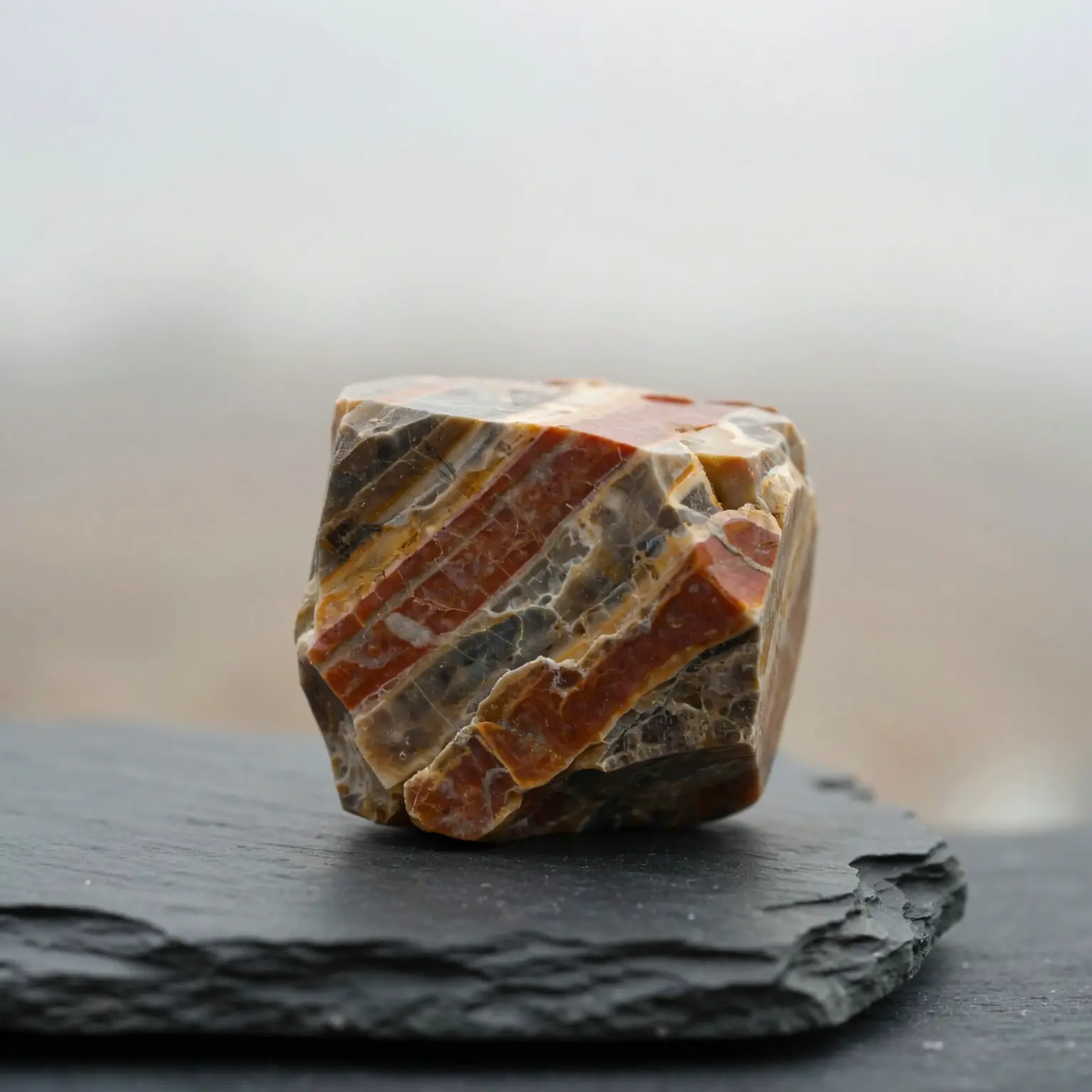
Types of Jasper Stone
One of the reasons Jasper is so beloved is its diversity. There are dozens of types, each with its own distinctive patterns, colors, and meanings. Below are some of the most popular varieties:
1. Red Jasper
Perhaps the most well-known type, Red Jasper is a deep brick-red stone often associated with vitality, courage, and stamina. It’s believed to stimulate the root chakra, grounding energy and promoting physical strength.
2. Picture Jasper
This type features scenic, landscape-like patterns that resemble desert sands or mountain ranges. It symbolizes creativity and connection to the Earth, inspiring vision and harmony with nature.
3. Ocean Jasper
Found only in Madagascar, Ocean Jasper displays swirls, orbs, and vibrant color combinations of green, pink, yellow, and white. It’s known for its joyful, soothing energy and is associated with emotional healing.
4. Dalmatian Jasper
Spotted with black or brown dots on a creamy background, Dalmatian Jasper encourages playfulness and optimism. It’s a stone of childlike joy that helps release negativity and encourage laughter.
5. Yellow Jasper
Symbolizing confidence and clarity, Yellow Jasper energizes the spirit and strengthens willpower. It is often used as a companion for decision-making and creative pursuits.
6. Green Jasper
Associated with healing and balance, Green Jasper harmonizes the heart and body. It supports recovery from stress and promotes emotional resilience.
7. Brecciated Jasper
This stone combines red, brown, and cream tones in broken, mosaic-like patterns. It’s known for grounding scattered energies and helping one regain focus.
8. Mookaite Jasper
Originating from Australia, Mookaite Jasper is a bold mix of red, yellow, and purple hues. It symbolizes adventure, flexibility, and the courage to embrace change.
9. Bumblebee Jasper
Despite its name, Bumblebee Jasper is actually a combination of volcanic minerals. With its striking yellow and black stripes, it’s considered a stone of transformation and inspiration.
10. Kambaba Jasper
Also known as Crocodile Jasper, this green-and-black patterned stone is thought to calm anxiety and promote deep peace. Its soothing energy is ideal for meditation and emotional balance.
Each type of Jasper is unique, but all share one common trait: a deep connection to the Earth and its grounding energies.
Physical and Chemical Properties
From a geological perspective, Jasper is a fascinating gemstone. It’s primarily composed of silicon dioxide (SiO₂), the same material as quartz, but with various impurities that give it color and pattern. Iron, manganese, and clay minerals often contribute to its red, yellow, or brown hues.
Jasper’s hardness ranges from 6.5 to 7 on the Mohs scale, making it durable enough for everyday wear in jewelry. Its luster is typically vitreous to dull, and when polished, it reveals intricate, painterly designs that resemble natural art.
Because of these physical qualities, Jasper has been used for centuries in carving, mosaics, and decorative objects, in addition to jewelry.
Metaphysical and Healing Properties
For those who believe in the energetic and spiritual qualities of crystals, Jasper stone holds a special role. Often referred to as a nurturing stone, it provides stability, comfort, and reassurance during times of stress or uncertainty.
Here are some of Jasper’s most celebrated metaphysical properties:
-
Grounding Energy: Jasper connects one’s energy to the Earth, creating a sense of stability and calm. It’s ideal for those who feel scattered or anxious.
-
Protection: Many use Jasper as a protective amulet, especially during travel or major life transitions.
-
Emotional Balance: It encourages patience, understanding, and emotional clarity.
-
Physical Vitality: Red and Yellow Jasper, in particular, are associated with increased stamina and strength.
-
Creativity and Focus: Picture and Ocean Jasper stimulate imagination while maintaining grounded practicality.
-
Chakra Healing: Different types of Jasper resonate with specific chakras, helping balance physical and emotional energy centers.
Whether worn as jewelry, placed in a room, or used during meditation, Jasper’s energy promotes peace and empowerment.
Jasper in Modern Design and Jewelry
In modern fashion and design, Jasper stone continues to shine. Its versatility makes it popular for both fine and bohemian-style jewelry. Artisans appreciate Jasper for its natural variety — no two pieces ever look the same.
Designers use polished Jasper in pendants, beaded necklaces, bracelets, and rings. The stone pairs beautifully with gold, silver, and copper, offering endless styling possibilities.
Beyond jewelry, Jasper is also used in home décor. Polished spheres, tiles, and tabletops made from Jasper add a natural, artistic touch to interiors. The stone’s earthy tones bring warmth and grounding energy to modern spaces.
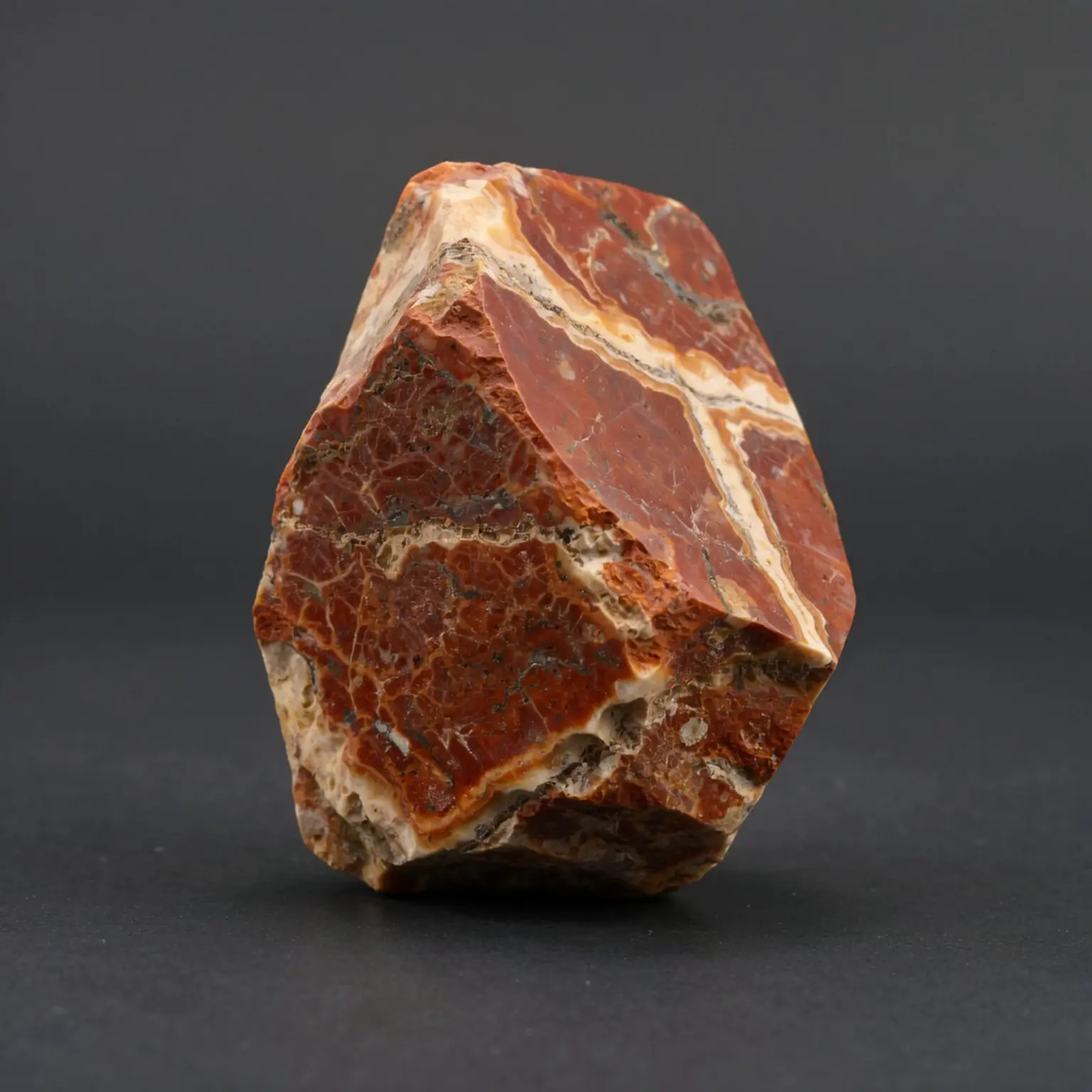
Caring for Jasper Stone
Caring for Jasper is simple, but it helps to handle it with care to preserve its natural shine.
-
Cleaning: Use warm water and mild soap. Avoid harsh chemicals or ultrasonic cleaners, which can damage the surface.
-
Storing: Store Jasper separately from harder gemstones to prevent scratches.
-
Charging: Many crystal enthusiasts cleanse Jasper by placing it under moonlight or burying it in the earth for a short period to restore its natural energy.
With proper care, Jasper retains its beauty and energy for generations.
Scientific Significance and Formation
Geologically, Jasper provides insight into the Earth’s history. The patterns seen in Jasper are formed through processes of sedimentation and mineral replacement over millions of years. Iron oxides, silica, and clay particles settle and crystallize, producing the swirls, stripes, and colors that make Jasper so unique.
Some specimens even record ancient environments — fossilized plant material or traces of volcanic activity can sometimes be found within them. Because of this, geologists often study Jasper not only as a gemstone but as a record of geological time.
Jasper in Culture and Spirituality
Around the world, Jasper has held symbolic meaning across centuries and cultures.
-
In Ancient Egypt, it was linked to fertility and rebirth. Scarabs carved from Jasper were placed in tombs for protection.
-
In Native American traditions, Jasper symbolized connection to nature and the Great Spirit.
-
In Asian philosophy, it was seen as a stone of harmony and yin-yang balance.
-
In medieval Europe, healers used Jasper for protection against illness and negativity.
Today, it continues to hold a place in meditation and holistic healing practices, where it’s used to align mind, body, and spirit.
The Emotional Connection
What makes Jasper truly special is the emotional connection it fosters. People who wear or work with Jasper often describe feeling more centered and confident. The stone encourages mindfulness, reminding its wearer to stay grounded in the present moment.
Its calming energy makes it especially popular among those seeking balance in busy or stressful environments. Whether worn as a pendant close to the heart or kept as a small pocket stone, Jasper serves as a tangible reminder of strength and serenity.
Economic and Global Value
Though Jasper is abundant and affordable compared to precious gems like diamond or emerald, its value lies in uniqueness. High-quality, vividly patterned specimens can command premium prices, especially when cut and polished by skilled artisans.
Countries like Madagascar, India, and Australia lead global production, supplying both jewelry markets and collectors. Because of its accessibility, Jasper remains one of the most popular stones in the world of lapidary arts — proof that beauty doesn’t need rarity to be meaningful.
Why Jasper Endures
The enduring popularity of Jasper stone comes from its perfect harmony of beauty, durability, and symbolism. It connects humanity to the natural world in a deeply personal way.
In a world that often feels fast and uncertain, Jasper offers a moment of grounding — a reminder of the Earth’s ancient rhythms and the quiet strength found in stillness.
Whether appreciated for its aesthetics, its history, or its spiritual energy, Jasper continues to inspire both artisans and admirers across generations.
Conclusion
Jasper stone is more than a gemstone; it’s a reflection of nature’s artistry and human connection to the Earth. From its colorful patterns and geological origins to its spiritual symbolism and everyday uses, Jasper carries a story that spans time, culture, and emotion.
Every piece of Jasper is unique — a miniature landscape, a frozen moment of natural beauty. It reminds us of balance, patience, and the quiet power that comes from being grounded.
Whether you wear it for its metaphysical benefits, display it as art, or simply admire its beauty, Jasper remains one of nature’s most inspiring creations — a stone of strength, serenity, and timeless elegance