A Complete Guide to What to Expect, How the Procedure Works, and How Crowns Transform Your Smile
A dental crown is one of the most reliable restorations used in modern dentistry. It improves the strength, appearance, and function of damaged teeth, and it allows patients to regain confidence in their smile. If you are considering a crown or have been told you need one, you may be curious about what your tooth will look like before and after the procedure. Many people also wonder about results, discomfort, durability, and the overall process.
This guide gives you a clear and friendly walk through of everything you need to know. You will understand what a tooth looks like before a crown, how it changes during treatment, and what to expect once your permanent crown is in place.
What a Tooth Looks Like Before a Crown
Crowns are used when a tooth is too damaged, weak, or worn down to be repaired by simpler treatments. Before receiving a crown, your tooth may show several common signs.
1. Cracks and Fractures
A tooth with a deep crack often looks gray or uneven along the fracture line. Chewing may feel uncomfortable, and you might see a visible split on the surface.
2. Large Fillings
If a tooth has a large filling, especially one that takes up more than half the tooth structure, the remaining enamel can look thin or worn. These teeth often need crowns to prevent future breakage.
3. Severe Decay
A tooth affected by extensive decay often appears dark, stained, or misshapen. Before placing a crown, the dentist removes damaged tissue, leaving behind a smaller shaped structure that the crown covers.
4. Root Canal Treatment
After a root canal, a tooth becomes brittle. It often looks darker and may have a temporary filling. Crowns help strengthen and protect these teeth.
5. Heavy Wear
Teeth worn down by grinding, acid erosion, or age look short, flat, and discolored. A crown restores height and shape.
6. Cosmetic Concerns
Some people choose crowns to correct severe stains, crooked shapes, or irregular surfaces. Before treatment, the tooth may look uneven or visually out of place.
Seeing the tooth before treatment can sometimes feel discouraging, but crowns provide an effective solution that restores beauty and function.
How the Crown Procedure Works
Knowing what happens during a crown procedure helps you understand why your tooth looks so different before and after.
Step One
Initial Examination and Imaging
Your dentist examines the tooth and takes X rays to evaluate the root, surrounding bone, and level of damage.
Step Two
Shaping the Tooth
To make space for the crown, the dentist reshapes the tooth by removing decay and adjusting the outer enamel. This reshaped tooth acts as a base for the new crown. It may look smaller than normal at this stage.
Step Three
Impressions or Digital Scans
The dentist takes impressions or digital scans that guide the creation of your custom crown.
Step Four
Temporary Crown Placement
A temporary crown protects the prepared tooth while the permanent crown is being made. It resembles your natural teeth but is not as strong.
Step Five
Permanent Crown Fitting
At your next visit, the permanent crown is adjusted for fit, polished, and cemented into place.
Once placed, the difference between before and after is dramatic. The tooth looks natural, strong, and aesthetically pleasing.
Before and After: How a Crown Transforms a Tooth
Below are the most common improvements people notice once their crown is placed.
1. Appearance and Color Improvement
Before the crown, the tooth may appear discolored, stained, cracked, or uneven. After the crown is placed, the tooth typically looks bright, smooth, and natural. Porcelain and ceramic crowns are designed to match the color of surrounding teeth. This helps create a balanced and attractive smile.
2. Restored Shape and Size
A damaged tooth often looks short, chipped, or irregular. Crowns are custom shaped to replicate a natural tooth. After the procedure, the tooth looks full, proportional, and properly aligned with your bite.
3. Strength and Durability
Before the crown, chewing may feel risky or uncomfortable. After the crown is placed, you gain a strong biting surface that supports daily eating without fear of breaking the tooth.
Most high quality crowns last between ten and fifteen years with good care.
4. Increased Comfort
Damaged teeth may feel sensitive to temperature or pressure. After crown placement, sensitivity usually decreases because the crown covers and protects exposed areas.
5. Enhanced Confidence
A crown can dramatically improve the look of your smile. Patients often report that they smile more freely and feel better speaking and eating in social situations.
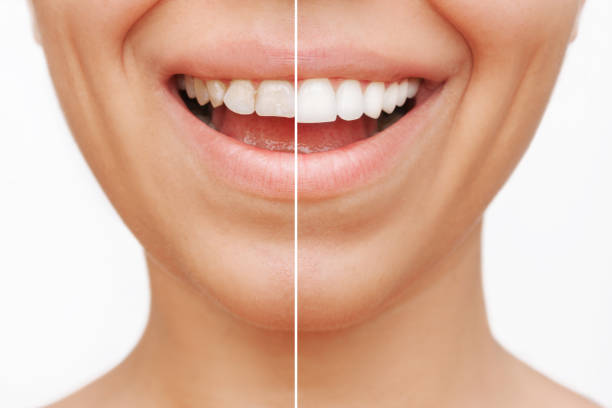
Types of Crowns and How They Affect Before and After Results
Different crown materials produce different aesthetic and functional results.
Porcelain Crowns
These offer the most natural look, especially for front teeth. Before treatment, the tooth may appear dark or uneven. After placement, porcelain blends seamlessly with your smile.
Zirconia Crowns
These are known for high strength and long lasting durability. They are ideal for back teeth that experience heavy biting pressure.
Porcelain Fused to Metal
This type combines durability with a natural appearance. However, they may show a faint metal line near the gumline over time.
Gold Crowns
Gold crowns are strong and gentle on opposing teeth. They are more visible, so many people choose them for back molars.
Choosing the right material affects both the appearance and the lifespan of your crown.
Tooth Crown Before and After for Specific Conditions
Different dental situations show unique transformations once a crown is placed.
Before and After for Cracked Teeth
Before
The tooth may have a visible line, uneven edges, or pain when chewing.
After
The crown holds the cracked tooth together and restores a smooth, healthy appearance.
Before and After for Root Canal Treated Teeth
Before
The tooth may look dark or brittle, sometimes with a temporary filling.
After
A crown restores strength and returns a natural color to the tooth.
Before and After for Severe Wear
Before
Teeth may look short, flat, and yellow.
After
Crowns rebuild height and shape, improving both bite and appearance.
Before and After for Cosmetic Correction
Before
The tooth may appear misshapen, crooked, or deeply stained.
After
The crown creates a symmetrical, balanced look that enhances your smile.
How Long a Crown Lasts and How to Maintain It
Crown longevity depends on care, habits, and oral hygiene. Most crowns last ten to fifteen years or longer when maintained properly.
Tips for Long Lasting Crowns
-
Brush twice daily with fluoride toothpaste
-
Floss gently around the crown
-
Avoid chewing ice or very hard foods
-
Wear a night guard if you grind your teeth
-
Visit your dentist regularly
Good care keeps the crown smooth, clean, and well fitted over time.
Are There Any Changes You Will Notice After Getting a Crown?
Most people experience several positive changes.
Improved Bite
Your teeth may feel more balanced once the crown restores height and shape.
Reduced Sensitivity
The crown protects sensitive areas that were previously exposed.
Better Chewing
A damaged tooth often limits the foods you can enjoy. A crown restores comfortable chewing.
Natural Appearance
A high quality crown blends into your smile and often improves the overall look of your teeth.
Common Questions About Crown Results
Will people notice my crown?
No, most modern crowns are crafted to look exactly like natural teeth.
Can crowns be whitened?
Whitening treatments do not lighten crowns, so choose your shade with this in mind.
Do crowns feel like natural teeth?
Yes, once placed, they feel comfortable and similar to your original teeth.
Is the procedure painful?
Dentists use local anesthesia to make the process comfortable. Any mild soreness fades within a few days.
Final Thoughts on Tooth Crown Before and After
The transformation provided by a dental crown can be remarkable. Before the procedure, the tooth may appear cracked, decayed, worn, or misshapen. After treatment, you gain a natural looking, strong, and functional tooth that restores confidence and comfort.
Crowns protect vulnerable teeth, support long term oral health, and create beautiful cosmetic improvements. Whether you need a crown for health reasons or cosmetic enhancement, understanding the before and after process helps you make a confident decision.