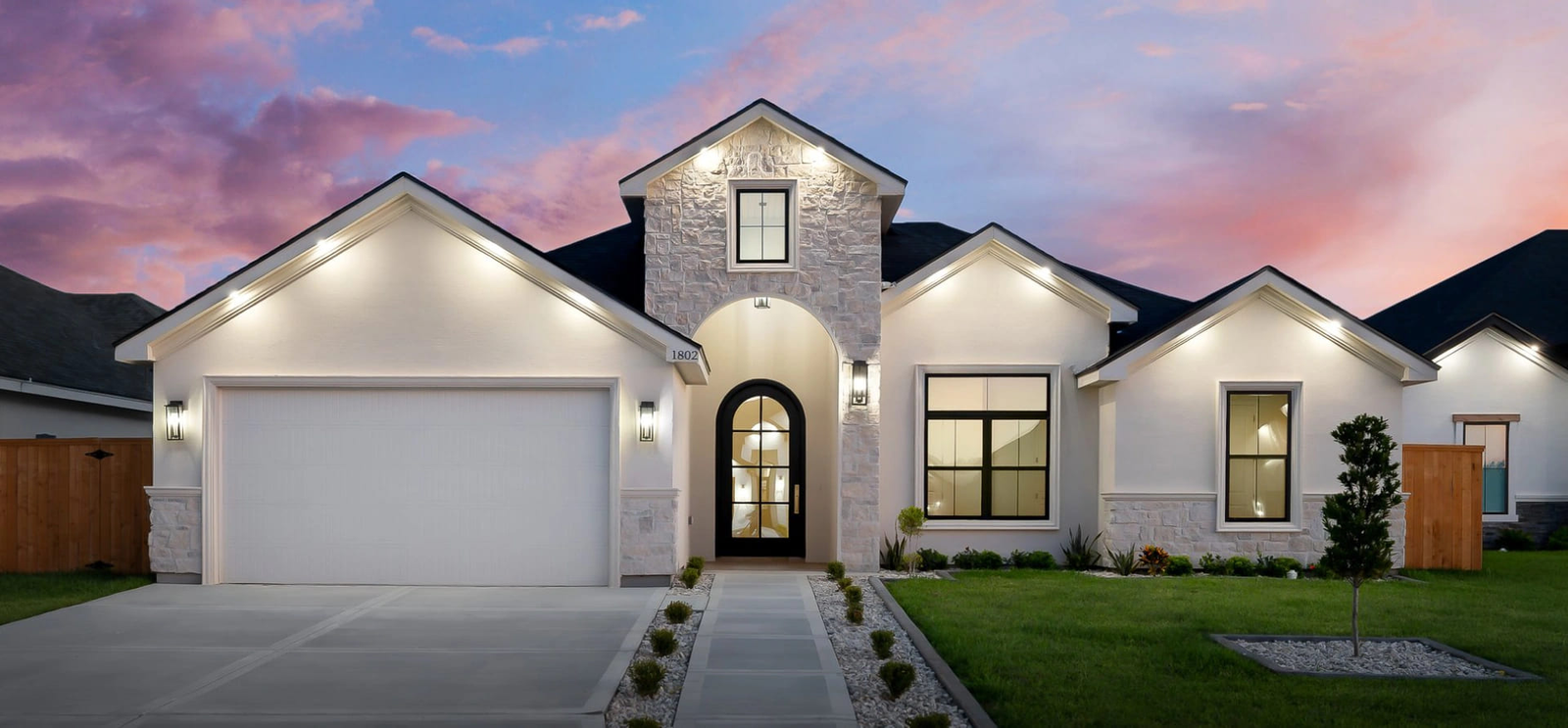
Houses for Sale Near Me: Find Your Perfect Home at the Right Price
Finding a perfect home is an exciting step in life. However, choosing the right property takes time and careful planning. Many buyers begin by searching for houses for sale near me. They want comfortable homes close to work, schools, shops, and other important places. Some buyers prefer modern designs, while others want larger spaces. Budget is also an important part of the decision. The good news is that many property options are available for different needs. You can explore family homes, small houses, townhouses, and newly built properties. Comparing different listings helps you understand local prices. It also makes your search easier and more organized. Whether you are buying your first home or moving to another area, knowing what to check can save time and money. This guide explains how to find suitable properties, compare prices, and make a confident buying decision.
1. Why Search for Houses for Sale Near Me?
Searching for houses for sale near me helps buyers explore properties in their preferred locations. Living nearby can make everyday activities easier. You may find a home close to your workplace, children’s school, or family members. A convenient location can also reduce daily travel costs. Local property searches help you understand the housing market around you. You can compare different neighborhoods and discover available property types. Some areas offer peaceful streets and larger gardens. Others provide quick access to shopping centers and public transport. Think about your daily routine before choosing a location. A beautiful house may not be the best choice if everything is far away. Visit different neighborhoods during daytime and evening hours. This helps you understand traffic, noise, safety, and nearby facilities. Choosing the right location can make your new home more comfortable.
2. How to Find the Best Houses in Your Area
Finding a suitable property becomes easier with a clear plan. Start by deciding your preferred location and spending limit. Then explore property websites, local real estate agencies, and online listings. Search for houses for sale near me to discover properties around your selected area. Compare photographs, property descriptions, and asking prices. Pay attention to the number of bedrooms and bathrooms. Check whether the house includes parking, storage, or outdoor space. Do not depend entirely on photographs. Pictures may not show every problem or limitation. Contact the seller or property agent for additional information. Ask about the property’s condition and availability. Arrange visits to your favorite options. Seeing a property personally helps you understand its actual size and condition. Keep notes after every visit. This makes comparing different homes much easier.
3. Exploring New Houses for Sale Near Me
Newly built homes attract buyers who enjoy modern designs and updated features. When searching for new houses for sale near me, you may discover properties with modern kitchens, energy-efficient windows, and attractive layouts. Many new homes also include updated electrical systems and modern plumbing. These features can reduce some early maintenance concerns. New developments may offer shared gardens, walking paths, and parking spaces. However, every new property deserves careful inspection. Check the construction quality, materials, and available warranties. Ask whether the builder has completed all promised work. Review the property’s layout and available storage. Some modern homes look attractive but offer limited practical space. Also, check the surrounding development. Construction work nearby may continue for several months. A newly built house can be an excellent option when its quality matches your expectations and budget.
4. Where to Find Cheap Houses for Sale Near Me
Buying a home does not always require a huge budget. Many buyers search for cheap houses for sale near me to find properties within their financial limits. Affordable homes may include smaller houses, older properties, or homes in developing neighborhoods. Some properties need minor repairs or cosmetic improvements. These options can offer good value when inspected properly. Start by comparing prices in different neighborhoods. Consider areas slightly outside popular locations. You may discover better prices without sacrificing important facilities. Check the property’s condition before making an offer. Roof damage, plumbing problems, and electrical issues can increase future expenses. Calculate repair costs before deciding. Remember that the cheapest listing is not always the best deal. A slightly more expensive house may need fewer repairs. Compare the total ownership cost instead of focusing only on the asking price.
5. Important Things to Check Before Buying a House
Buying property is a major financial decision. Therefore, checking important details can protect your investment. When exploring houses for sale near me, prepare a simple inspection checklist. Start with the roof, walls, floors, doors, and windows. Look for water stains, cracks, damp areas, and unusual smells. Test taps and electrical switches where possible. Check the heating and cooling systems. Ask about the age of major appliances and installations. Also, inspect the outdoor space and parking area. Visit the neighborhood to understand its general environment. Ask the seller about previous repairs and known problems. If possible, arrange an independent professional inspection. A qualified inspector may identify issues that ordinary buyers miss. Never feel pressured to make a quick decision. Taking extra time can prevent expensive surprises later.
6. Understanding House Prices in Different Neighborhoods
Property prices can change greatly between nearby neighborhoods. Location, property size, building condition, and local demand all influence prices. A large house outside the city may cost less than a smaller home near the center. This is why comparing houses for sale near me is important. Begin by checking several properties with similar features. Compare their asking prices and approximate living areas. Look at recent sales when reliable information is available. Remember that asking prices do not always represent final selling prices. Some sellers may accept reasonable offers. Others may have little flexibility. Also, consider future neighborhood development. New roads, schools, and shopping facilities may improve local convenience. However, development plans should always be checked carefully. Do not pay extra based only on promises. A fair property price should reflect its condition, location, and practical value.
7. Choosing the Right House Size for Your Family
The right house should support your family’s current and future needs. A single buyer may prefer a small property with simple maintenance. Families may need extra bedrooms, bathrooms, and storage space. When browsing houses for sale near me, consider how many people will live there. Think about children, guests, and possible future changes. A three-bedroom property may provide flexibility for a growing family. An extra room can also become a home office or study area. Check the kitchen size and living room layout. Make sure everyone has enough comfortable space. Outdoor areas can also be useful for children and family activities. However, larger homes usually cost more to maintain. Cleaning, heating, cooling, and repairs can increase monthly expenses. Choose a size that matches both your lifestyle and financial situation.
8. Benefits of Buying a Newly Built Property
New construction offers several advantages for modern homebuyers. Many properties feature open layouts, updated kitchens, and modern bathrooms. They may also include better insulation and energy-saving systems. Buyers exploring new houses for sale near me can compare different builders and development projects. Some builders allow buyers to select certain finishes or design features. This can make a new property feel more personal. Another benefit is that major building components may come with warranties. However, warranty conditions can vary. Read the documents before signing anything. Ask about construction standards and completion dates. Visit the property during different construction stages when possible. Check the surrounding roads and facilities too. A modern interior is attractive, but long-term construction quality matters more. Choose a builder with a reliable record and clear communication.
9. How to Find Affordable Homes Without Sacrificing Quality
Affordable home shopping requires patience and careful comparison. Start by setting a realistic maximum budget. Include taxes, legal costs, moving expenses, and possible repairs. Buyers searching for cheap houses for sale near me should avoid choosing a property based only on its low price. Look for solid construction and practical layouts. An older house with a strong structure may offer better value than a poorly built newer property. Consider homes that need simple cosmetic improvements. Fresh paint, updated lighting, and basic decorating can improve appearance. However, major structural repairs require professional advice. Compare different neighborhoods before making your decision. Sometimes, moving a little farther from the city center can lower property costs. Make sure the location still offers convenient access to important services. A good affordable home should provide comfort without creating unnecessary financial pressure.
10. Working With a Real Estate Agent
A reliable real estate agent can make property shopping easier. Agents often understand local neighborhoods, property prices, and available listings. They can help buyers arrange visits and communicate with sellers. When searching for houses for sale near me, working with a local agent may reveal additional options. Some properties may become available before receiving widespread online attention. However, buyers should always check an agent’s experience and reputation. Ask about their fees and services. Explain your budget and preferred property features clearly. A good agent should listen to your needs instead of pushing expensive properties. Request important information in writing. Compare the details with your own research. Remember that an agent represents a particular transaction. Independent legal and property advice may still be necessary. Choose professionals who communicate clearly and answer your questions honestly.
11. Understanding Mortgage and Home Financing Options
Many buyers use home loans to purchase property. A mortgage allows you to pay for a house over an agreed period. However, borrowing money creates a long-term financial responsibility. Before exploring houses for sale near me, understand how much you can comfortably afford. Review your income, monthly expenses, savings, and existing debts. Compare interest rates and loan conditions from different lenders. Ask about down payments, monthly payments, and additional charges. Some loans include fixed interest rates. Others may have changing rates over time. Understand the difference before making a commitment. Remember to include property taxes, insurance, and maintenance costs. A lender may approve a larger loan than you actually need. Choose a payment amount that leaves room for everyday expenses. Careful financial planning can make homeownership less stressful.
12. Why Location Matters When Buying Property
Location can influence your daily comfort and future property value. Buyers should look beyond the appearance of a house. Check nearby schools, hospitals, supermarkets, parks, and transport facilities. Search for houses for sale near me in areas that support your everyday routine. Consider how long it takes to reach work or important destinations. Check traffic conditions during busy hours. Explore the neighborhood on foot if possible. Look at street lighting, road conditions, and available parking. Noise levels are also important. A property near a busy road may experience more traffic noise. Ask local residents about the area. They may share useful information about daily life. Also, research any planned developments that could affect the neighborhood. A convenient location can improve your living experience for many years.
13. How to Compare Property Listings Online
Online property listings provide a convenient starting point for house hunting. You can explore different locations without traveling to every property. However, comparing listings requires attention to detail. When researching houses for sale near me, use filters for price, bedrooms, bathrooms, and property type. Save interesting listings so you can review them later. Compare the asking price with similar properties nearby. Read descriptions carefully and check the available photographs. Look for details about parking, gardens, storage, and recent renovations. Pay attention to listing dates because older advertisements may contain outdated information. Contact the agent to confirm availability. Ask for additional photographs if necessary. Do not share sensitive financial information with unknown contacts. Arrange property visits through trusted channels. Online research saves time, but personal inspections remain essential.
14. Common Mistakes to Avoid When Buying a House
First-time buyers sometimes make decisions too quickly. Excitement can make an attractive property seem perfect. However, overlooking important details can create problems later. Buyers exploring houses for sale near me should avoid several common mistakes. Never ignore a professional inspection. Do not forget additional buying costs. Avoid choosing a home without researching its neighborhood. Another mistake is stretching your budget too far. Large monthly payments can make everyday life difficult. Some buyers also forget to check property documents. Always confirm ownership and legal status through qualified professionals. Read agreements before signing them. Ask questions whenever something seems unclear. Do not depend only on verbal promises from sellers. Keep important documents and communication records. A careful approach helps you avoid unnecessary risks and make a more informed decision.
15. Tips for Making a Smart Property Offer
Making an offer requires preparation and confidence. Start by researching similar properties in the same neighborhood. Compare their sizes, conditions, and asking prices. This information helps you understand whether the seller’s price seems reasonable. Buyers searching for houses for sale near me should also consider how long a property has been listed. A home that has remained available for months may offer more room for negotiation. However, every seller has different expectations. Decide your maximum price before starting discussions. Include repair costs and other expenses in your calculation. Put your offer in writing through the appropriate process. Make sure important conditions are clearly explained. These may include financing, inspections, and document checks. Avoid emotional bidding that pushes you beyond your budget. A smart offer balances fair value with financial responsibility.
16. Preparing for Your Move Into a New Home
Once your purchase is complete, the next step is preparing for moving day. Start by creating a moving checklist. Organize important documents and keep them somewhere safe. Arrange professional movers if needed. Compare service prices before booking. Contact utility providers about electricity, water, internet, and other services. Clean the property before bringing furniture inside. Check locks, windows, and basic safety equipment. Plan where your furniture will go. This can save time during unpacking. If you have children or pets, prepare a comfortable area for them. Introduce yourself to nearby neighbors when possible. Small steps can make the transition easier. Buying a home is a major achievement, but settling in takes patience. Enjoy the process and make your new space feel comfortable.
Complete House Buying Information Table
| Property Detail | Description | Why It Matters |
|---|---|---|
| Property Type | Detached, semi-detached, townhouse, or apartment | Matches your lifestyle |
| Bedrooms | Number of sleeping rooms | Supports family needs |
| Bathrooms | Full and half bathrooms | Improves convenience |
| Living Area | Total usable indoor space | Helps compare sizes |
| Kitchen | Layout, storage, and appliances | Supports everyday cooking |
| Parking | Garage, driveway, or street parking | Provides vehicle convenience |
| Garden | Private or shared outdoor space | Offers extra usable space |
| Construction | New, renovated, or older building | Helps estimate maintenance |
| Location | Neighborhood and nearby facilities | Affects daily travel |
| Asking Price | Seller’s advertised property price | Helps establish your budget |
| Property Taxes | Applicable local property charges | Affects ownership expenses |
| Inspection | Professional property condition review | Identifies possible problems |
| Ownership Documents | Legal records and title information | Helps confirm ownership |
| Financing | Mortgage or other payment arrangements | Supports purchase planning |
| Maintenance | Expected repair and upkeep costs | Helps manage future spending |
Property laws, taxes, financing rules, and ownership requirements vary by location. Always seek qualified local advice before purchasing.
FAQs:
1. How can I find houses for sale near me?
You can search property websites, real estate platforms, and local agency listings. Use location filters to explore available properties. Compare prices, property sizes, and neighborhood facilities. Contact sellers or agents to confirm availability. Arrange visits before making a final decision.
2. Where can I find new houses for sale near me?
You can explore new housing developments, builder websites, and property listing platforms. Local real estate agents may also know about upcoming projects. Compare construction quality, available facilities, warranties, and prices before selecting a newly built property.
3. How can I find cheap houses for sale near me?
Start by comparing properties in different neighborhoods. Consider smaller houses and older homes with good structural conditions. Look beyond popular locations for affordable options. Always calculate repair costs and additional buying expenses before making an offer.
4. What should I check before buying a house?
Check the roof, walls, plumbing, electrical systems, windows, and overall construction. Review the ownership documents and property history. Research the neighborhood and nearby facilities. A professional property inspection can help identify hidden problems.
5. Is buying a new house better than buying an older house?
Both options have advantages. New houses often provide modern designs and updated systems. Older houses may offer larger spaces or established locations. Your budget, lifestyle, property condition, and future plans should guide your decision.
6. How much money should I save before buying a house?
The amount depends on the property’s price, local rules, and financing options. Save enough for the required down payment and additional buying costs. Also keep emergency savings for repairs and unexpected expenses. Speak with a qualified mortgage professional to understand your financial requirements.
Conclusion:
Finding the right home takes research, patience, and careful planning. Every buyer has different needs, budgets, and lifestyle preferences. Some people prefer modern designs, while others want affordable family properties. Start by exploring houses for sale near me in suitable neighborhoods. Compare prices, inspect property conditions, and research nearby facilities. Consider your long-term expenses before making an offer. If you want modern features, explore newly built properties. If affordability matters most, compare smaller and older homes carefully. Never rush into a purchase without checking important details. A reliable agent and qualified property inspector can make the process easier. Most importantly, choose a house that feels comfortable and fits your financial situation. Your dream home does not need to be perfect. It needs to support your everyday life and future goals. Take your time, ask questions, and make a decision with confidence.