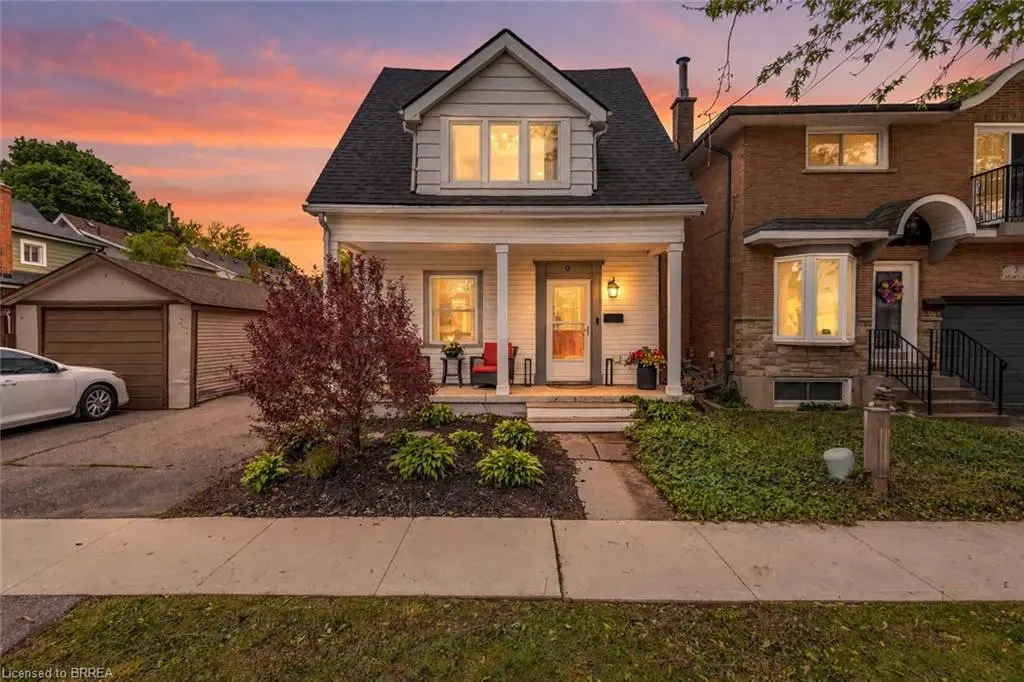
HouseSigma: The Ultimate Guide to Smart Home Buying
Introduction
Buying or selling a home can feel confusing, especially when property prices change often. Many people want to know what homes cost before making an important decision. They also want to compare neighborhoods and understand local housing trends. This is where housesigma can be a useful starting point for Canadian real estate research. It brings property listings, past sale information, and estimated home values together in one place. Users can explore homes, review available details, and follow changes in the market. The platform is designed for buyers, sellers, renters, and people interested in property investment. However, knowing how to use its information is just as important as finding it. In this guide, we will explain its main features, benefits, limitations, and practical uses. You will also learn how to compare homes and make better-informed property decisions.
What Is HouseSigma?
HouseSigma is a Canadian real estate technology platform and brokerage. It helps people explore residential properties and understand housing market information. According to its official company information, the business was founded in 2018 by Joseph Zeng and Reed Zhao. Its goal is to make real estate information easier for everyday people to understand. The platform provides property listings, sold prices, estimated home values, and market insights. It also offers tools that help users follow homes and neighborhoods. HouseSigma+1 For example, someone planning to buy a house can compare several properties before contacting an agent. A homeowner can also research similar homes in the neighborhood. These features make the platform useful for early research. Still, users should remember that online information is only one part of buying or selling a property. A careful review of the home, its condition, and local market conditions remains essential.
HouseSigma Biography and Company Details
The following table provides a quick overview of the company. It covers its background, purpose, and main services. These details can help readers understand the platform before exploring its features.
| Detail | Information |
|---|---|
| Company name | HouseSigma |
| Industry | Real estate technology |
| Country | Canada |
| Founded | 2018, according to its official company history |
| Co-founders | Joseph Zeng and Reed Zhao |
| Main purpose | Improve access to real estate information |
| Key services | Property searches, sold prices, home estimates, and market insights |
| Intended users | Buyers, sellers, renters, homeowners, and investors |
| Website | housesigma.com |
| Access options | Website and mobile app |
| Business model | Technology platform and real estate brokerage |
| Main market | Canadian residential real estate |
| Important limitation | Coverage and historical data vary by market |
The company combines digital tools with real estate services. Its platform helps users research properties before making important decisions. The availability of specific information depends on the location and listing. Readers should check the latest details directly on the platform. HouseSigma+1
How Does HouseSigma Work?
Using housesigma generally begins with choosing a location or searching for a particular property. Users can explore available listings and review information about homes that interest them. Depending on the property and market, details may include asking prices, previous sales, listing history, and estimated values. Map-based searching can also help people discover homes in nearby neighborhoods. Users can narrow their search using available filters, such as price or property type. Some features may require an account or have location-based restrictions. Once users find a suitable property, they can compare its details with similar homes. This process helps them create a shortlist before arranging a viewing. However, a listing should never replace a physical inspection or professional advice. Information can change, and not every property will have the same level of detail. Checking the latest listing status is important before making plans.
1. Search for Homes Across Canada
One useful feature is the ability to explore residential property listings. Instead of visiting several websites separately, users can begin their search from one platform. They can look for houses, condominiums, and rental properties in supported markets. Search filters help narrow the results to homes that fit their needs. For example, a couple looking for a two-bedroom condominium can select their preferred area and budget. They can then compare available options without reviewing every listing in the city. This approach can save time during the early stages of a property search. Still, the number of listings and available details may differ between regions. Users should confirm whether a property remains available before arranging a visit. They should also review the listing carefully because photographs may not show every issue. A good search process combines online research with direct questions and property visits.
2. Check Previous Home Sale Prices
Understanding previous sale prices can help buyers evaluate a property’s asking price. The platform provides sold-price information where the relevant data is available. This allows users to research what similar properties have sold for in the past. For instance, imagine that a home is listed for $650,000. Nearby properties with similar sizes and features may have sold for different amounts. Comparing those sales can help a buyer decide whether further investigation is necessary. However, the final sale price depends on several factors. These include the property’s condition, location, age, and the timing of the transaction. A home with a renovated kitchen may attract a different price from an older home nearby. Past sales are useful evidence, but they do not guarantee a property’s current value. Users should compare several similar properties instead of relying on one sale. They should also check the dates and details of available records.
3. Understand Estimated Home Values
Automated home valuations can give homeowners a starting point for understanding their property’s possible market value. HouseSigma offers estimated values using data and technology, including artificial intelligence. These estimates can help users compare a property with similar homes and review general market conditions. HouseSigma+1 However, an estimated value is not the same as a professional appraisal or a confirmed selling price. An online system may not know about recent renovations, hidden damage, or unusual property features. For example, two houses on the same street might have similar layouts but different levels of maintenance. Their actual market values may therefore differ. Homeowners should use online estimates as an initial guide rather than a final answer. For important decisions, consider a qualified real estate professional or appraiser. Comparing recent sales and reviewing the property’s condition can provide a clearer picture. This balanced approach helps prevent unrealistic expectations when buying or selling a home.
4. Explore Neighborhoods With Map Search
Location can affect both the price and daily experience of owning a home. Map-based property searching helps users explore homes in specific neighborhoods. It can make it easier to see which listings are close to schools, parks, shops, and other useful places. Some platform features also provide information about nearby amenities. Apps on Google Play+1 For example, a family might compare two neighborhoods before choosing a house. One area may offer shorter travel times, while another may provide more space for the same budget. Looking at properties on a map can help reveal these differences. However, users should not rely on a map alone. They should visit the area, check traffic at different times, and investigate local services. School information and other neighborhood details should also be verified independently. A home can look attractive online, but the surrounding area plays a major role in everyday life.
5. Track Housing Market Trends
Housing prices can rise or fall because of changes in demand, interest rates, and the number of available homes. Following local market trends helps buyers and sellers understand these changes. The platform offers market information that can support this research. Users can compare available properties, review sale histories, and look at similar homes. For example, a buyer may notice that several comparable homes have recently sold for less than their earlier asking prices. This could encourage them to research the market more carefully. A seller may use similar information when preparing a realistic asking price. Still, a few listings cannot explain the entire housing market. Trends can differ between cities, neighborhoods, and property types. Market conditions can also change quickly. Users should review several sources and look at recent data before making major decisions. Real estate decisions should reflect personal finances and long-term needs, not just short-term market movements.
6. Set Alerts for Property Changes
Searching for a home every day can take time. Property alerts can make the process easier by notifying users about relevant changes. Depending on the available settings, users may follow neighborhoods or receive updates about new listings, price changes, and sales. Apps on Google Play+1 Imagine that you are looking for a home below $700,000. An alert may help you notice a suitable listing without checking the website repeatedly. These notifications can also help homeowners monitor activity in their neighborhoods. However, an alert does not guarantee that a property is still available when you open it. Popular homes may receive offers quickly, and listing information can change. Users should confirm the latest details before making appointments or financial plans. It is also sensible to choose useful search criteria. Too many alerts can become distracting. A focused list based on location, price, and property needs is usually easier to manage.
7. Compare Properties Before Making an Offer
Comparing several homes is one of the most practical ways to prepare for a purchase. Rather than choosing the first attractive listing, buyers can review important differences. These may include asking price, size, bedrooms, bathrooms, location, and previous sale information. When available, estimated values and nearby sold properties can provide additional context. For example, three homes might have similar prices but very different repair needs. One could offer more space, while another may be closer to work. Making a comparison list helps buyers identify which features matter most. It also creates useful questions for a real estate agent. Online information cannot reveal every structural problem or neighborhood concern. Buyers should arrange viewings and consider an independent inspection before committing. They should also calculate taxes, insurance, maintenance, and other ownership costs. The best property is not always the cheapest one. It is the home that fits the buyer’s budget, needs, and future plans.
8. How Sellers Can Use HouseSigma
Homeowners preparing to sell can use property data to understand competing listings. They can research similar homes, review recent sales, and explore general neighborhood activity. This information may help them discuss an appropriate asking price with a real estate professional. For example, a seller might discover that nearby homes with similar layouts are listed at different prices. Looking more closely at their condition and features can explain some of the difference. The seller can then prepare a more informed pricing discussion. HouseSigma also provides brokerage services for people who want help with selling a home. HouseSigma+1 However, sellers should not choose a price based only on an automated estimate. A property’s condition, presentation, location, and current competition all matter. Before listing a home, consider preparing it for photographs and viewings. Gather important documents and discuss marketing options with a qualified professional. Good preparation can make the selling process clearer and more organized.
9. Is HouseSigma Useful for Property Investors?
Property investors often study prices, rental opportunities, and neighborhood activity before making a decision. Real estate research tools can help them collect information about potential investments. HouseSigma offers property details, historical sales information, market insights, and certain investment-related tools. Its app listing also describes rental-yield assessment features. Apps on Google Play+1 These features can support an initial comparison between properties. For example, an investor might compare the asking price of a condominium with its possible rental income. However, a promising estimate does not automatically make a property profitable. Investors need to account for mortgage payments, taxes, insurance, repairs, vacancies, and management fees. They should also investigate local rental demand and applicable rules. A property with high expected rent may still produce weak returns after expenses. Use the platform to organize early research, then check the numbers carefully. Independent financial and legal advice may be helpful before making a large investment.
10. Is HouseSigma Free to Use?
People often want to know whether they must pay before exploring property information. HouseSigma provides a consumer-facing website and mobile app, with many research features available without a direct subscription fee. The official app listings describe it as free to download. Apps on Google Play+1 However, access to particular information or services may depend on the user’s account, location, and the feature involved. Some users may also choose to work with a real estate agent through the brokerage. Brokerage services can involve fees or commission arrangements. Anyone considering those services should review the terms before signing an agreement. Do not assume every service is free simply because the app download costs nothing. Check the current website for accurate details about access and service costs. This simple step can help avoid confusion later.
11. Advantages of Using HouseSigma
A major benefit of housesigma is that it brings several types of property information into one research experience. Users can explore listings, review historical sale prices where available, and compare similar homes. Market insights and estimated values can also help people prepare better questions before speaking with an agent. Search filters and alerts may reduce the time spent looking for suitable properties. These tools can be especially helpful for people who are still learning about the Canadian housing market. Instead of depending on one asking price, buyers can begin comparing a broader set of information. Homeowners can also follow nearby properties to understand local activity. Nevertheless, the value of these tools depends on how carefully users interpret the results. Online estimates are not guarantees, and data coverage varies by location. The strongest approach is to combine digital research with property visits, independent checks, and professional guidance when needed.
12. Limitations You Should Understand
No real estate platform can answer every question about a property. Some listings may have limited historical information, while other records may not be available in every region. HouseSigma itself notes that listing coverage and historical sold data vary by market. Apps on Google Play+1 Automated home values may also differ from the amount a buyer eventually pays. Another limitation is that online photographs cannot fully show a property’s condition. They may not reveal structural issues, maintenance problems, or noise from nearby roads. Users should also confirm whether a listing is active before planning a viewing. Filters and map settings may affect which properties appear in search results. If something seems missing, checking the search criteria can help. For a major purchase, verify important facts through appropriate professionals and records. Understanding these limitations makes online property research more useful. It encourages users to treat digital information as a starting point rather than unquestionable proof.
13. HouseSigma Website and Mobile App
People can explore the platform through its website or mobile application. The website may suit users who prefer comparing several listings on a larger screen. A mobile app can be convenient when browsing properties while travelling or visiting a neighborhood. Both options support property research, although the available experience may differ by device or feature. The app listings describe tools for searching homes, reviewing sale information, following neighborhoods, and receiving alerts. Apps on Google Play+1 To get started, visit the official website or find the app through your device’s official app store. Make sure the publisher is HouseSigma Inc. before installing an application. After opening the platform, search for a location or property that interests you. Apply suitable filters and review the listing details carefully. If you create an account, use a strong password and review the available privacy settings. These simple steps can help you begin your property search with confidence.
14. Tips for Getting Better Results
A little preparation can make online property research more effective. Start by deciding how much you can comfortably afford. Then choose your preferred locations and list the features you need. Search for properties that meet those requirements instead of browsing without a clear goal. Compare several similar homes and pay attention to sale dates, property sizes, and condition. When using housesigma, remember that estimates and past sales are useful clues, not final answers. Save interesting listings and use alerts if those features suit your search. Before making an offer, arrange a viewing and ask questions about the property’s history. Consider an inspection and review the total cost of ownership. If you are selling, compare your home with genuinely similar properties rather than the most expensive listings nearby. Finally, speak with a qualified professional when important questions remain. Careful research can help you avoid rushed decisions and focus on homes that match your needs.
Conclusion
Finding the right property requires patience, research, and a clear understanding of your budget. HouseSigma can help people explore Canadian property listings, review available sold prices, compare homes, and follow market activity. Its estimated values and search tools can also support early planning. However, no online platform can replace a property inspection or guarantee a home’s future value. Buyers should verify important details before making an offer. Sellers should use local comparisons and professional advice when setting a price. Investors should calculate expenses and potential returns carefully. By combining digital tools with reliable checks, you can make more informed decisions about your next move. Start by exploring a neighborhood, comparing a few suitable properties, and writing down your questions. What matters most is finding information that supports your real needs and financial situation.
Frequently Asked Questions (FAQs)
1. What is HouseSigma used for?
HouseSigma is a Canadian real estate platform that helps people search for homes and explore property information. Depending on the market, users can review listings, sold prices, listing histories, estimated home values, and housing trends. It can support buyers, sellers, renters, and investors during their early research. However, users should confirm important details before making property decisions.
2. Is HouseSigma free?
The HouseSigma app is listed as free to download. Many consumer research features are available without a direct subscription fee. However, access to certain information or services may vary. Brokerage services can involve fees or commission arrangements. Check the current terms before using a paid service or signing an agreement.
3. Can I see sold prices on HouseSigma?
Yes, sold-price information is available for supported properties and markets. The amount of historical information can vary by location. Users can compare previous sales with similar properties to better understand local pricing. Remember that past sale prices do not guarantee what a property will sell for today.
4. Are HouseSigma home value estimates accurate?
Home value estimates can provide a helpful starting point, but they are not guaranteed selling prices. Automated tools may not account for every renovation, repair, or unique property feature. Compare several similar homes and consider advice from a qualified real estate professional. A professional appraisal may be appropriate when a more formal valuation is needed.
5. Can I use HouseSigma to find rental properties?
The platform supports rental-property searches in the markets and listings it covers. Users can explore available rentals and review relevant property details. Availability varies by location, so check the current search results. Before renting, confirm the rent, lease conditions, property condition, and other important terms directly with the appropriate party.
6. Is HouseSigma available everywhere in Canada?
HouseSigma covers multiple Canadian markets, but listing availability and historical sale information vary by region. Not every feature is available in every location. Search your preferred city on the official website to see what information is currently offered. Always verify listing details before making plans to buy, sell, or rent.